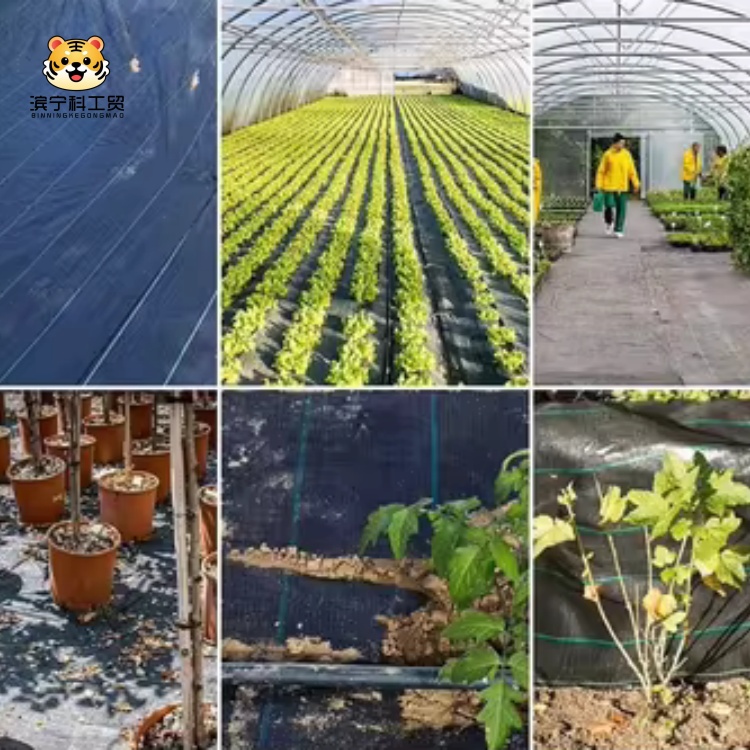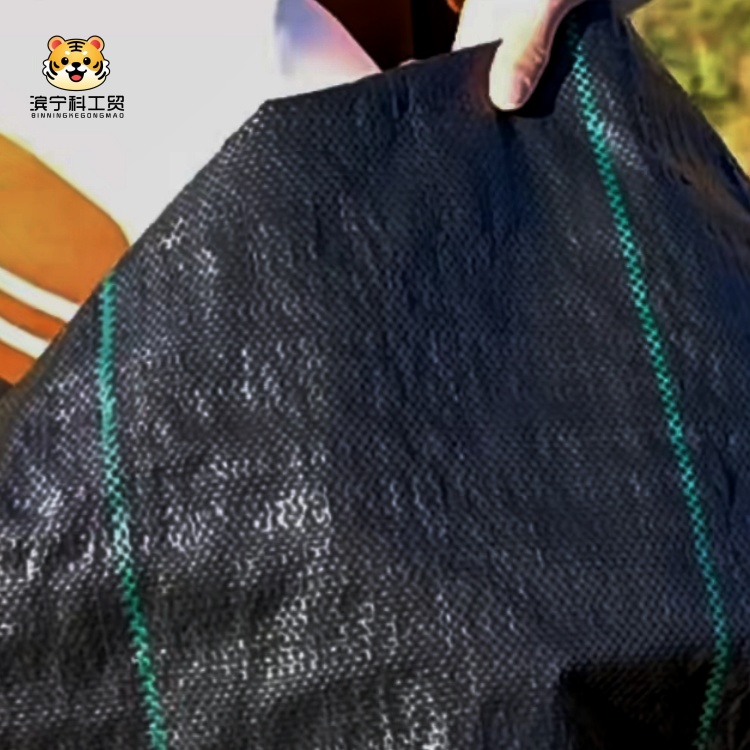
Soil moisture is one of the most critical factors for stable crop growth, especially in arid, semi‑arid, and high‑temperature planting areas. Weed control fabric serves as an effective physical covering material that significantly improves soil moisture retention and reduces unnecessary water loss in agricultural and horticultural systems.
When laid properly on the soil surface, weed control fabric forms a protective barrier that blocks direct contact between topsoil and air. This structure greatly reduces natural evaporation caused by strong sunlight and wind, maintaining relatively stable soil moisture content over a long period. Compared with bare soil, fields covered with qualified weed control fabric can noticeably slow water depletion, helping crops avoid drought stress during critical growth stages.
Another important function of weed control fabric is suppressing weed growth. Weeds compete strongly with main crops for soil moisture and nutrients. By controlling weeds effectively, the fabric ensures that irrigation water and natural rainfall are fully used by target plants rather than being wasted. This improves overall water use efficiency and reduces irrigation frequency and labor input.
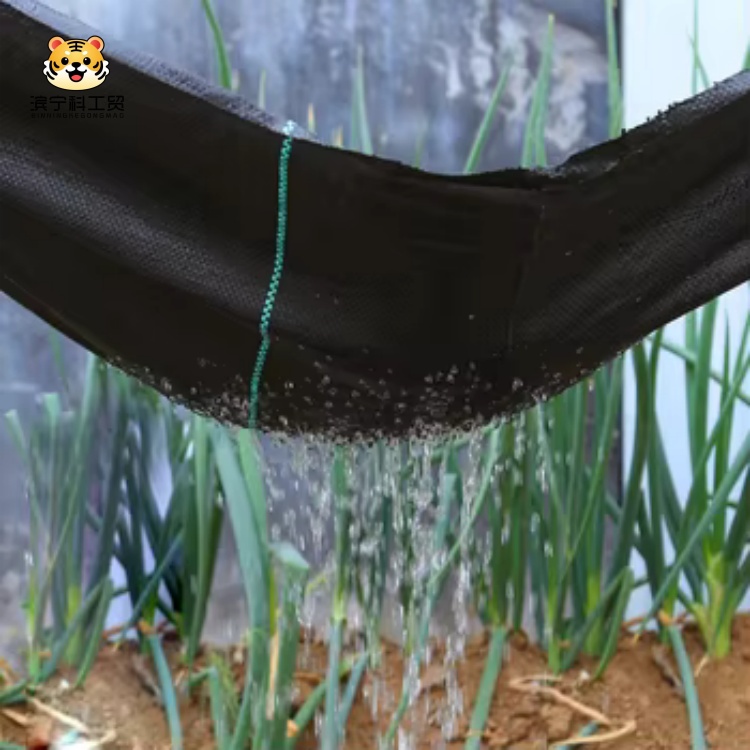
High‑quality woven weed control fabric also maintains reasonable air and water permeability. It prevents excessive water accumulation around roots while preserving soil moisture, avoiding problems such as root rot or hypoxia. Poor‑quality impermeable films cannot achieve this balance and may damage soil health.
In modern water‑saving agriculture, weed control fabric has become a practical and economical measure for moisture management. With stable performance and long service life, it helps maintain consistent soil moisture, improves crop growth environment, and supports higher and more stable yields. For large‑scale farms, orchards, and nurseries, choosing professional weed control fabric is a reliable way to enhance water use efficiency and reduce long‑term production costs.